 By
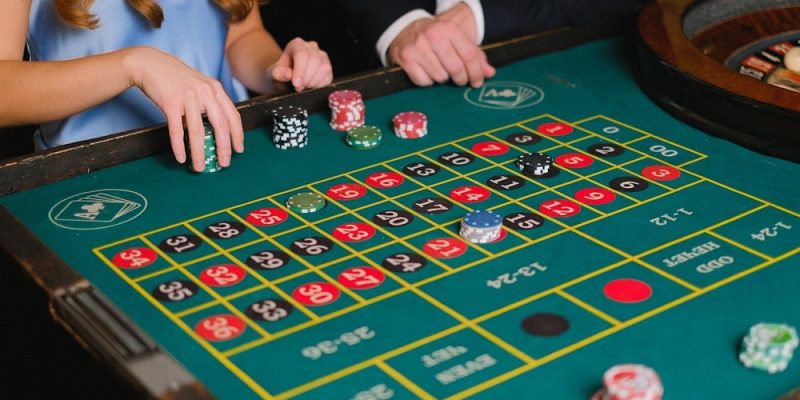
By The modern gaming resort has evolved far past its original boundaries. Historically, the draw of a casino revolved entirely around the green felt of blackjack tables, the spin of the roulette wheel, or rows of mechanical slot machines. These elements remain foundational, but a structural shift in consumer demographics and experiential preferences has forced a radical reimagining of the casino floor and its surrounding infrastructure.
Today, hospitality companies look at gaming as just one component of a broader, multi-sensory leisure ecosystem. Younger generations of consumers seek agency, social interaction, immersive technologies, and high-production spectacles over passive or isolated wagering. To maintain market share, properties have expanded into comprehensive entertainment developments where next-generation digital attractions, curated culinary experiences, and theatrical installations operate alongside modern gaming systems.
The Rise of Skill-Based and Social Gaming Zones
Traditional casino games rely heavily on random variance, offering players limited opportunities to influence the final outcome through personal capability. While this appeal endures for many, a growing segment of the market demands skill-based engagement. This preference has driven the growth of skill-based electronic gaming machines and dedicated social spaces that mimic the competitive dynamic of arcade halls and video game lounges.
These new-age installations blend elements of classic video games, such as first-person shooters, racing simulators, and puzzle formats, with wagering mechanics. Instead of pulling a lever and watching symbols align randomly, players use joysticks, touchscreens, or steering wheels to complete objectives, with their performance directly impacting their financial return.
Furthermore, casinos have restructured physical layouts to support social gaming environments. These zones features:
-
Integrated Multi-Player Pods: Stations where groups of friends can compete against each other simultaneously rather than playing in isolation against a computer chip.
-
Leaderboard Integrations: Digital displays broadcasting top scores across the casino floor, introducing a public, competitive element to the experience.
-
Lounges with Dedicated Food and Beverage Services: Spaces that encourage extended social dwell times, creating a seamless bridge between casual dining and active entertainment.
Immersive Technological Attractions and Virtual Realities
To captivate audiences accustomed to advanced home theater systems and personal gaming consoles, operators are deploying large-scale, immersive technologies that cannot be replicated in a residential setting. Virtual reality, augmented reality, and massive projection-mapping installations have become major non-gaming anchors for top-tier resorts.
Virtual reality simulators transport guests into complex narrative environments, ranging from zero-gravity space operations to historical deep-sea explorations. These attractions operate as standalone, ticketed entertainment pieces, successfully drawing families, corporate groups, and tourists who may have zero intention of visiting the traditional betting floor.
Simultaneously, properties are leveraging projection-mapping technology to transform public walkways, atriums, and building facades into living digital canvases. These high-definition displays sync with coordinated audio systems to create recurring visual spectacles that change by the hour, establishing an atmosphere of continuous kinetic energy throughout the entire resort complex.
The Transformation of Sportsbooks into Entertainment Stadiums
The sports betting landscape has changed drastically due to recent legislative shifts and technological integration. The old model of a sportsbook, characterized by rows of individual desks facing small television screens and dry-erase betting boards, has been replaced by the stadium sportsbook concept.
Modern sportsbooks are designed as multi-level amphitheaters featuring massive, wall-spanning LED screens capable of broadcasting dozens of events simultaneously. These spaces prioritize hospitality, offering plush theater seating, private VIP cabanas, and full-service dining menus managed by celebrity chefs.
The integration of mobile wagering platforms allows guests to place in-game wagers from their seats, turning the sportsbook into a lively communal hub during major championship events. The objective is no longer just to facilitate a transaction, but to cultivate a high-energy environment reminiscent of being inside a live sports arena.
Culinary Nightlife and Curated Gastronomy
The era of the cheap, mass-produced casino buffet has largely concluded, replaced by highly targeted culinary programs that serve as primary brand differentiators. Fine dining and nightlife have become so integral to a resort’s identity that they often generate revenues that rival or exceed the gaming operations.
Casinos partner with internationally recognized chefs and Michelin-starred culinary groups to establish exclusive restaurants within their properties. These venues focus heavily on experiential dining, featuring open-concept kitchens, tableside preparations, and architectural spaces designed specifically for visual appeal on social media networks.
Following dinner, the transition to nightlife is seamlessly facilitated by mega-clubs and ultra-lounges built within the resort footprint. These venues contract world-renowned electronic musicians and pop artists for extended performance residencies. By offering a comprehensive evening path, from gourmet dining to global-tier nightlife, under a single roof, casinos capture the entire leisure spend of a visitor’s evening.
Production Shows and Specialized Residencies
While concert halls have always had a home in major entertainment capitals, the nature of casino entertainment residencies has transformed structurally. Instead of booking aging acts for brief weekend appearances, operators build custom, state-of-the-art theaters designed around the specific creative demands of a single artist or production company.
These custom venues feature advanced engineering, including hydraulic stages, aerial rigging networks, and specialized acoustic architecture. Productions like Cirque du Soleil or high-budget musical theater residencies utilize these spaces to deliver complex physical feats and visual illusions that standard touring productions cannot support. These exclusive agreements create regional monopolies, forcing dedicated fans to travel directly to the host casino resort to view the production.
Retail Districts and Wellness Tourism
To appeal to daytime visitors and non-gaming demographics, contemporary resorts invest heavily in premium retail gallerias and comprehensive wellness facilities. These installations convert the casino from a nocturnal destination into a twenty-four-hour luxury lifestyle experience.
Retail districts within these complexes are designed as indoor urban neighborhoods, featuring climate-controlled avenues, artificial indoor canals, and luxury fashion storefronts. These spaces ensure that high-net-worth travelers have access to premium shopping options without ever needing to leave the resort perimeter.
Simultaneously, the wellness sector has expanded from basic fitness rooms into massive luxury spa complexes. These facilities offer advanced therapeutic services, including cryotherapy chambers, hydrotherapy circuits, and personalized holistic wellness consultations. By positioning the resort as a destination for physical rejuvenation, operators tap into the lucrative wellness tourism sector, attracting health-conscious consumers who utilize the property for relaxation and recovery.
Frequently Asked Questions
What are skill-based electronic gaming machines and how do they function?
Skill-based electronic gaming machines combine traditional betting mechanics with video game elements. Unlike standard slot machines where the outcome is entirely dictated by a random number generator, these machines allow a player’s physical coordination, reaction speed, or puzzle-solving capacity to directly influence the payout structure or unlock bonus rounds, rewarding strategic competence.
How do casinos manage the sound and lighting design outside of the gaming floor?
Resorts employ specialized sensory designers to carefully manage acoustics and lighting throughout non-gaming corridors. Walkways, retail sectors, and dining plazas utilize softer, architectural lighting and curated ambient audio designed to lower stress levels and encourage relaxed exploration, contrasting with the high-energy auditory stimuli found on the active slot floor.
What is an ultra-lounge and how does it differ from a standard nightclub?
An ultra-lounge bridges the gap between a high-energy nightclub and a quiet cocktail bar. It focuses on premium seating, upscale mixology programs, and a sophisticated, low-volume musical atmosphere that facilitates conversation. This environment caters to mature demographics who seek an upscale nightlife experience without the crowds and high decibel levels of a massive dance venue.
Why are exclusive residency shows highly beneficial to casino operations?
Exclusive residencies require travelers to visit a specific property to see an artist, driving substantial auxiliary revenue. Guests attending these shows frequently purchase hotel rooms, dine at on-site restaurants, visit retail storefronts, and spend time on the gaming floor before and after the event, maximizing the resort’s overall yield per visitor.
How has the concept of the casino sportsbook changed with mobile technology?
Mobile betting apps allow guests to place wagers from anywhere on a property, shifting the physical sportsbook’s role from a simple transactional window to a major social and hospitality venue. Modern sportsbooks function as sports-themed entertainment hubs, emphasizing massive viewing screens, upscale dining, and comfortable group seating rather than just processing bets.
What role does wellness tourism play in modern casino resort design?
Wellness tourism attracts affluent, health-conscious travelers who traditionally avoid conventional gambling environments. By offering world-class spas, advanced physical therapies, and health-focused dining options, resorts diversify their clientele and boost daytime occupancy rates, balancing out the evening-heavy revenues generated by nightlife and gaming.